
The Trinity Rodman Rule will be a step forward, but it won't be enough.
The NWSL Board of Governors is voting on a new roster mechanism next week that could boost the league's ability to hang onto star players... but it's just a start.

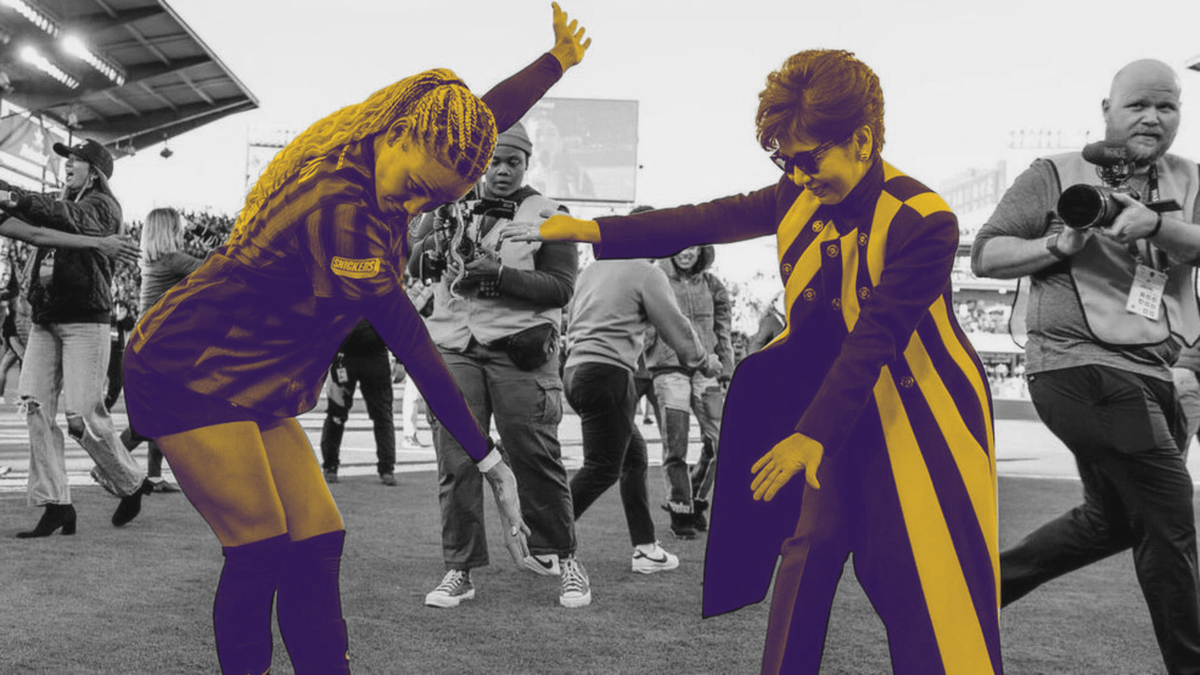
The Trinity Rodman situation had been at a standstill.
The Spirit had put forth a contract, Rodman’s camp agreed to the terms, only to have the league veto the deal.
The controversy came from the reported structure of the backloaded deal.
The club and the NWSLPA claimed the deal was perfectly legal under the CBA, banking on the expected rise in the cap amid the league’s consistent revenue growth. However, the deal hit a brick wall when NWSL Commissioner Jessica Berman’s office vetoed the contract, claiming that the structure “violated the spirit” of the CBA. The NWSLPA went on a media push in the aftermath, gearing up for a fresh round of labor negotiations.
That was until Thursday night.
Everything has shifted in the wake of ESPN’s Jeff Kassouf’s report that the league was planning on implementing a High Impact Player contract designation.
… Designated Players if you will…
Per Kassouf’s reporting, players who hit certain sporting and marketing benchmarks – read USWNT caps, Awards voting, and… TikTok following? – would be eligible to sign a contract that would detach their total salary from their club’s salary cap. Like MLS’s Designated Player distinction, the player would still count towards the cap, but at a set rate as long as the deal is larger than 12% of the club’s salary cap.
A good step.
If this rule had been in place last season, then the league might not have lost Naomi Girma or Alyssa Thompson. This is a great step towards allowing teams to compete with the growing number of international clubs that are willing to spend big on player salaries.
So, when Arsenal comes calling for the next USWNT star, NWSL clubs will be able to offer a competitive salary that can entice a player to stay. The league needed to make this call; they could not afford the optics of losing another star player – especially a player that has become a face of the league.
Now, clubs can start trying to bring star players back stateside after a few years of one-way traffic. (Someone, go save Catarina Macario from Sonia Bonpastor.) The mechanism also gives Portland – or Denver – some additional firepower in bringing back Sophia Wilson.
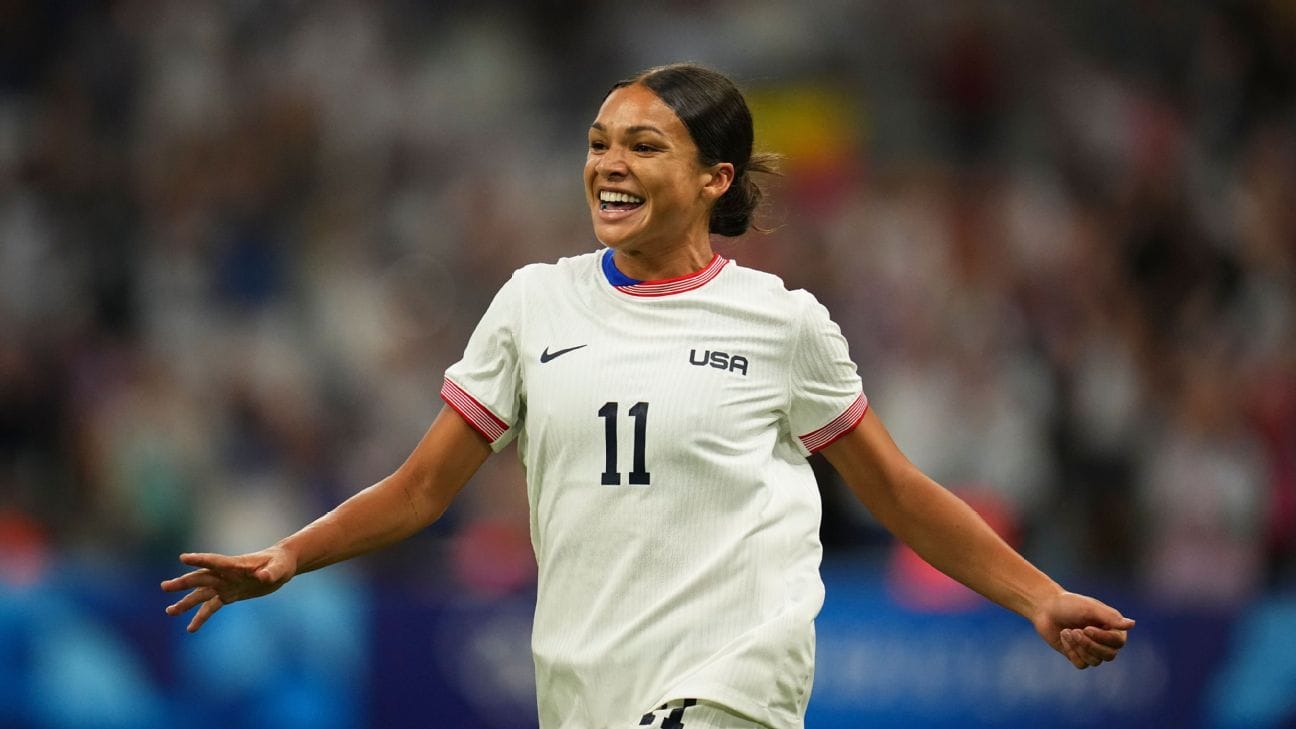
It won’t be enough.
This rule doesn’t ensure that every player will stay. Some players are looking for a different challenge abroad, or are looking for a way out of a club situation that might not be remedied stateside.
If the Board of Governors approves this mechanism, then the Spirit will still have to make some interesting decisions when it comes to Croix Bethune and Rose Kouassi’s next contracts. Can they still fit it all underneath the cap?
This mechanism, if approved at next week’s Board of Governors meeting, doesn’t completely fix the league’s ability to compete for every player in the global market… but it does instantly raise the profile of clubs that can now sign players above and beyond the salary cap.
However, there can only be 16 possible HIPs in the league; that’s not a Laissez-faire strategy.
The league still wants to carefully control wages in an environment where more WSL clubs are investing in their teams.
The NWSL is complicating an issue that could have been solved by simply raising the salary cap... or allowing clubs to sign deals that would hinder their ability to keep their team together in the later stages of their star player's contract.
Instead, the league has decided on a worse version of Major League Soccer’s DP rule, tying the ability to sign a player to sporting merit and marketing power. The league is essentially saying that clubs aren’t financially stable enough to compete with the wage bill of top European clubs while raking in $200 million expansion fees.
If the WSL is trying to unseat the NWSL from their spot in the global hierarchy, then they should target the league’s sub-elite players with salaries that don’t make sense for a club trying to stay within their cap structure. Women’s salaries will eventually have to match their value, and the league is trying its best to stagnate that growth despite competition from elsewhere. The NWSL wants to model itself after the NFL, but the NFL doesn't have a European counterpart that can offer better salaries without sacrificing quality of play. The NWSL will always have a large pool of players to draw from, but as the league keeps expanding, clubs will have to be more careful in their succession planning, this mechanism doesn't solve that hypothetical.
Looking forward.
Heading into the Championship in San Jose, there didn’t seem to be momentum for an adjustment in the cap structure.
Berman took every opportunity to preach parity as the 8th-seeded Gotham FC – who would not have been an 8th seed if not for catastrophic injuries – won the title. The mood seemed to indicate a fresh round of labor fights was on its way.
However, Rodman and the Spirit completely outplayed the commissioner’s office by, according to NWSLPA Executive Director Meghann Burke, forcing the league’s hand with a problematic, but legal, contract within the CBA. Now, the terms of that contract will only matter in that the Spirit won’t be able to sign another HIP.
Of course, this is all assuming the Board approves this amendment to the CBA, but if the league keeps growing in revenue, growth in the cap could still outpace the growth in player salaries. As of now, the base cap will grow to $5.1 million by the 2030 season, with additional revenue share potentially raising the total cap number to over $7 million. Will that keep the league competitive in the global market? Not completely… but the league is taking a good first step as long as ambitious owners like Michele Kang – and hello Arthur Blank – keep pushing the standard higher.