MLS's shifting schedule is good for player safety, divisional rivalries, and other takeaways.


The winds of change have been swirling around MLS circles over the past few seasons. The Apple deal and Lionel Messi signing had the potential to push MLS over the line. However, the inflexibility of MLS Season Pass and the failure to truly take advantage of the interest in one of the all-time greats coming to America have left the league searching for other ways to increase its odds.
One of the obvious solutions – open up roster spending – doesn’t seem to be on the table until the next CBA talks, so the next biggest swing was clearly to align the league with the European market.
"The calendar shift is one of the most important decisions in our history," MLS Commissioner Don Garber said Thursday afternoon.
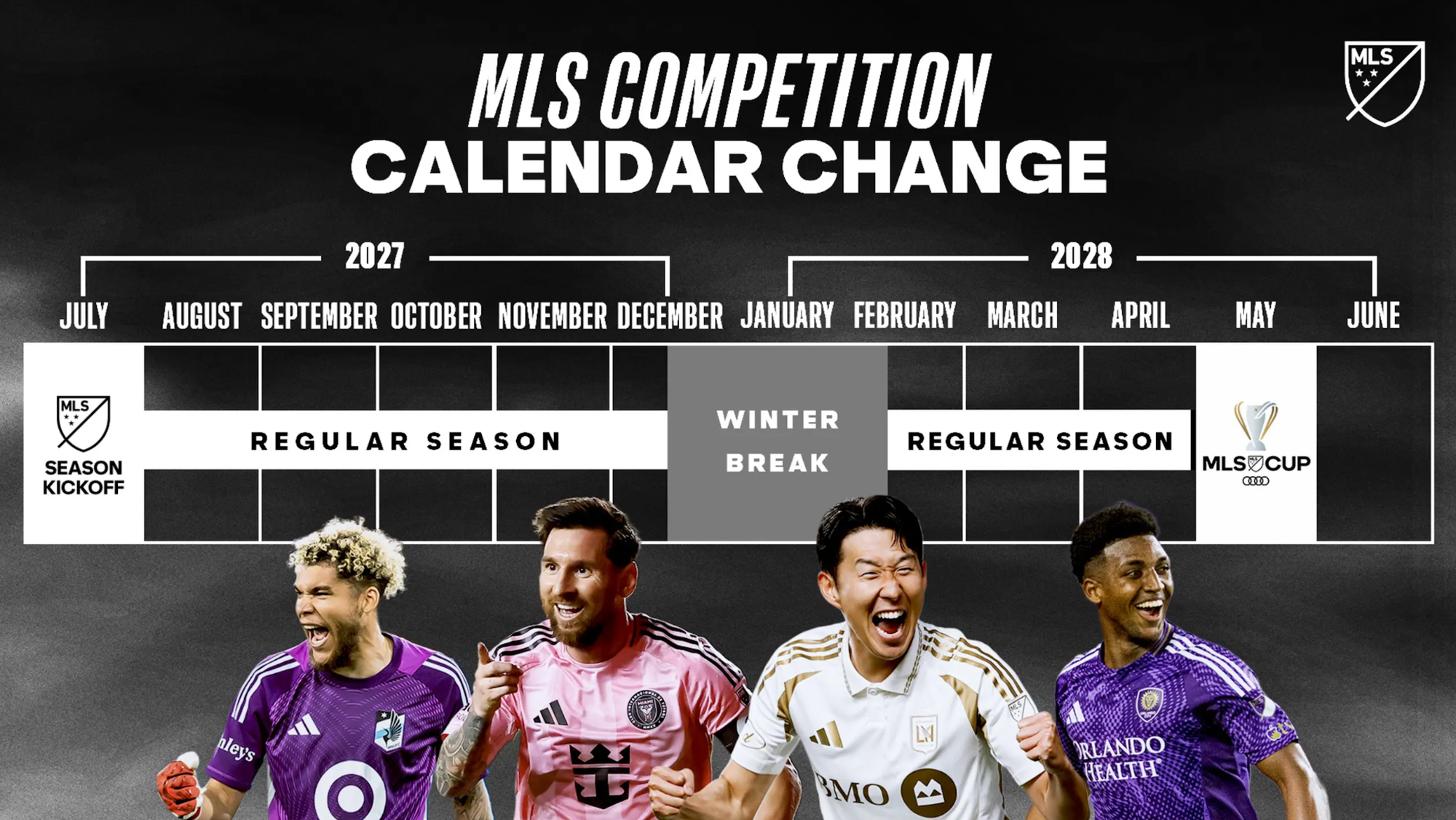
In the immediate aftermath of MLS’s decision, the responses were, at best, mixed. Fans of northern teams weren’t excited about the loss of summer soccer and an increase in late winter soccer. However, the season suddenly becomes more bearable in Florida and Texas, especially in Houston, where players have long dreaded summer away trips.
From my perch in St. Louis, I do dread the potential of sitting in press row for more November and February home matches, but the trade off seems worth it.
For starters, Sporting Directors have long talked about the difficulties of: A) Convincing clubs to sell players during their season, ahead of an MLS preseason. B) Reinforcing a roster midseason when European clubs are most active in the transfer market, forcing clubs to decide between selling players when their value is the highest vs success on the pitch over the tail end of the season. Aligning with the transfer market – including adjusting the North American transfer window to stay open past the closure of most European transfer windows – with the top buying leagues in the world offers more of an opportunity to align both moving players on and reinforcing for first team success.
In St. Louis, Lutz Pfannenstiel talked at length about the difficulties in securing players in the winter, having to wait until the summer when players were available on free transfers. If Pfannenstiel can acquire Marcel Hartel at the start of the 2024 season as opposed to the end of it, he is probably still in the job.
Now productive players can be available as Free Agents will help in markets where spending on transfer fees for aging players is seen as a poor investment.
Clubs benefitting from better returns in the transfer market won’t excite most fans, but the knock-on effect of more talent in the league can be important. Talk to any American soccer fan about why they don’t watch MLS, and they’ll tell you that the quality doesn’t match what they can watch most weekends in the top European leagues. This move won’t see MLS challenging the Premier League overnight, but if it – along with the continued loosening of salary rules – pushes MLS further into the top 10, then it’ll be worth it.
Even outside of the quality entering the league, the change in player periodization will lead to better play. In the current schedule, teams periodize training to peak in late fall, meaning that the training period through the summer is the most important to ensuring that players are at their peak heading into the end of the season. Players then have to deal with the harsh summer conditions as they hit their largest training load of the season, meaning that players are often pushed into the red thanks to increasing heat and humidity throughout the country.
A 2022 study of effects on quality of play found that heat and humidity are the biggest factors in decreased performance among players, citing:
“Statistically significant differences were observed in relative distance, relative high-speed run distance, and relative high metabolic load for increased WBGT.”
That study also found that conversely:
“The present findings generally suggest that physical performance (total distance, distance run in 3 intensities) in professional soccer does not decrease in cold temperatures (<5 °C).”
Now, players are peaking in the spring, for a playoff structure that won’t be sandwiched between the fall international windows, and should — assuming a move away from the current format – make for a more successful playoff structure.
Future-proofing for continued Climate Change.
Continuing on that point.
The number of playable days through the summer will continue to decrease in most markets. It’s something that the NWSL and USL will have to grapple with – see the NWSL’s poor handling of this summer’s heat advisory match in Kansas City – in the coming years as well.
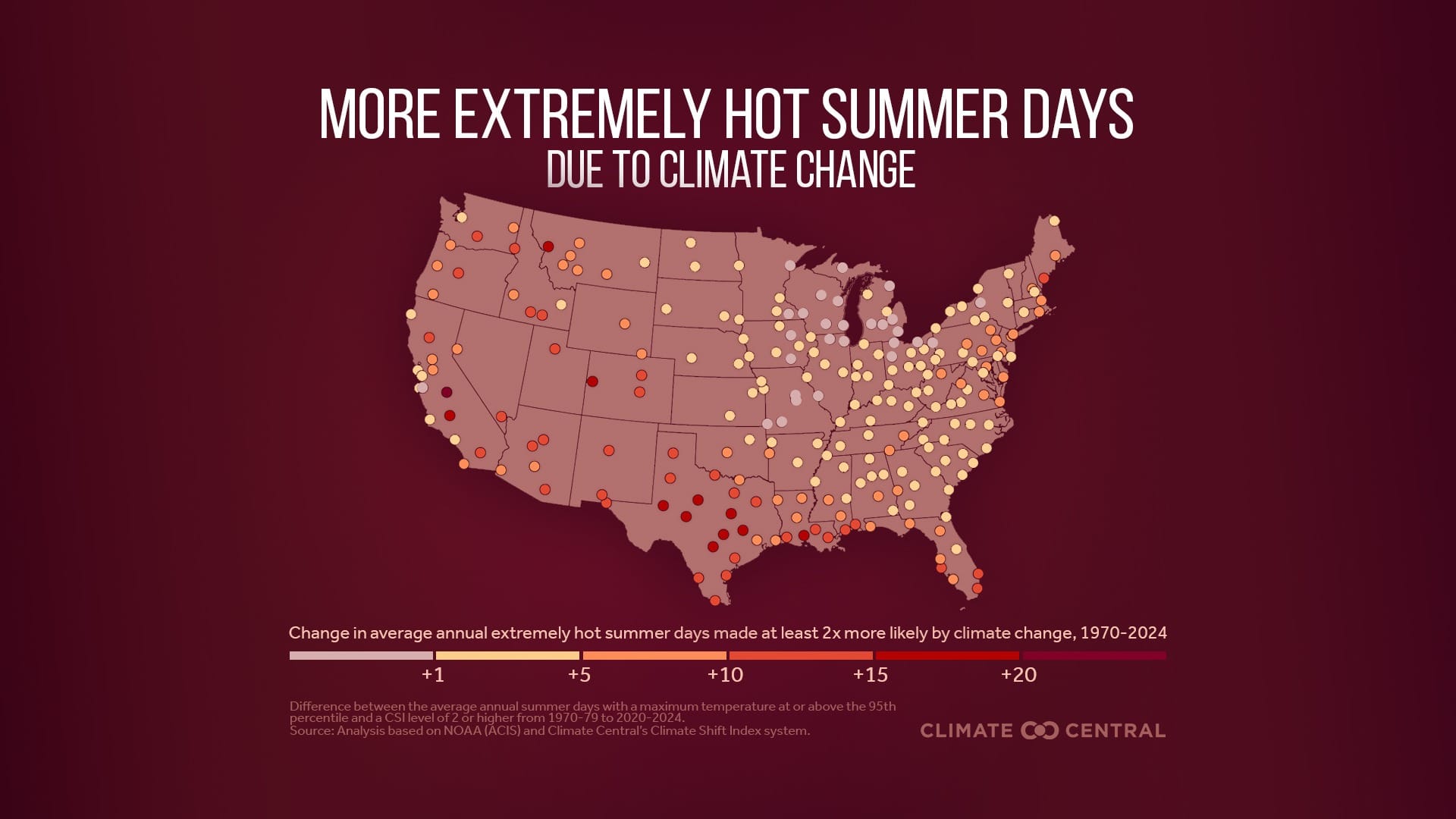
On average, Texas has seen an additional 20+ “extremely hot” days per year, and while the new MLS schedule framework doesn’t cut out all of those days, far from it actually, it does lessen the number of important matches dictated by extreme conditions.
It will take some time for MLS to change fan behaviors and expectations around summer soccer, but there is a world where MLS beats the NWSL to a calendar shift of its own.
Proposed Conference System
If the calendar shift is an unwelcome change to some fans, then the proposed new division system should be a celebrated change. MLS has yet to announce the divisions, but has given the framework.
MLS will break from its two conference system and shift to a five divisions featuring six teams and a single league table. Each club will play home and away against its division rivals while playing the rest of the league once across a 34-game season.
There are some interesting proposals, but the one that speaks to me most is a midwest based central division of MNUFC, SKC, St. Louis CITY SC, Chicago Fire, Columbus Crew, and FC Cincinnati.
There will be some tough decisions. Where does San Jose slot in? Will there be a club that is separated from its historical rival?
What this does accomplish is lessening travel over the course of a season that saw the ends of each conference traveling over 3000 miles on any given weekend, and from a fan perspective, offers more travel ready away days for all of the proposed central division clubs.
Apple TV Deal modifications
Lastly, MLS has announced some modifications to the Apple TV deal.
Goodbye MLS Season Pass. MLS will now be available with the normal Apple TV subscription, so fans can watch the newest episode of Pluribus to escape from their club failing to score on any of their 40 shot attempts.
This is essentially what the deal should have always been, and with Apple also adding F1 to its service, the sale suddenly becomes much easier. It’s hard to grow a league behind a paywall, but maybe that wall looks easier to climb today.
The league also amended its original deal with the change to its schedule and proposed 2027 mini-season ahead of the first summer-to-spring season.
Apple also gave up its 2027 buyout option in exchange for shorter terms on the original deal. The deal now expires after the 2028-2029 season as opposed to the original 10 year duration.
Conclusion
Whether this all moves the needle remains to be seen. The league still has to come to terms with the MLSPA about an amended CBA, and the PA could use this as an opportunity to push for some concessions, especially as contract start and end dates may have to be redrawn.
Does this make MLS a contender? Does this vault MLS over Hockey and MLB in the US sports hierarchy? No, but it does give the league more tools in its quest to be taken seriously as a league in the global soccer hierarchy. If MLS can continually increase its quality – and not playing through the summer is a big part of that – then it has a chance… but it can’t treat this as business as usual once the shift occurs. There has to be a continued effort in pushing the league’s quality forward, and a renewed effort towards courting fans who, right now, feel like their voices are being ignored.
What are your thoughts on the calendar shift? Sound off in the comments.